Viktor Ostapenko
Artist Statement
Art, for me, is a lifelong dialogue between the visible world and the invisible forces that shape human experience. Every painting begins with observation but ultimately becomes an exploration of memory, emotion, light, and the spiritual dimension of life. Whether I work in abstraction, landscape, still life, portraiture, or watercolor, my intention is always the same—to reveal not only what the eye sees, but also what the heart remembers.
My artistic journey has evolved through many creative periods. Abstract painting allowed me to investigate the language of color, rhythm, geometry, and emotional structure. These works express inner states that cannot be translated into words. Through dynamic compositions and carefully balanced forms, I seek harmony between order and spontaneity, intellect and intuition, silence and movement.
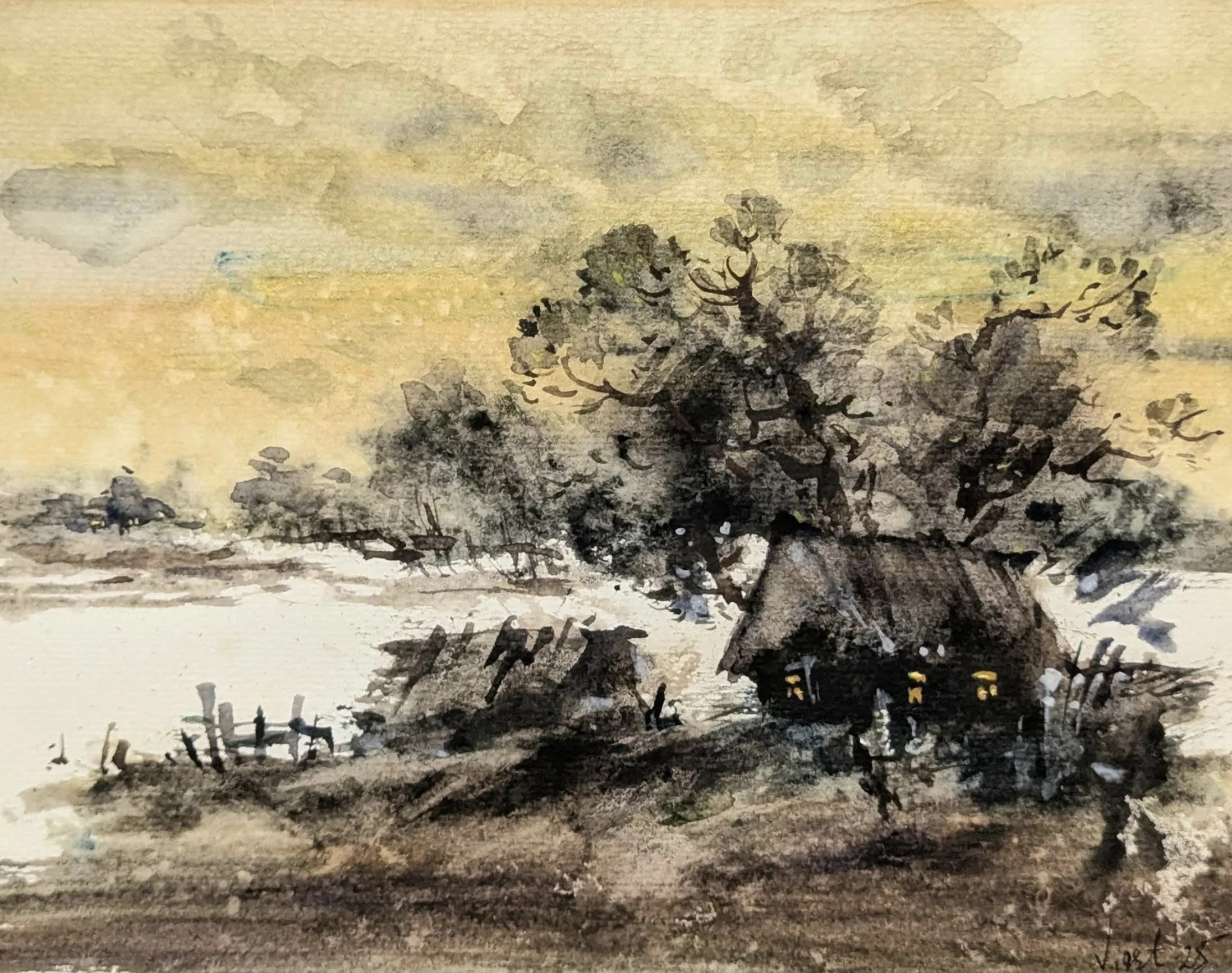
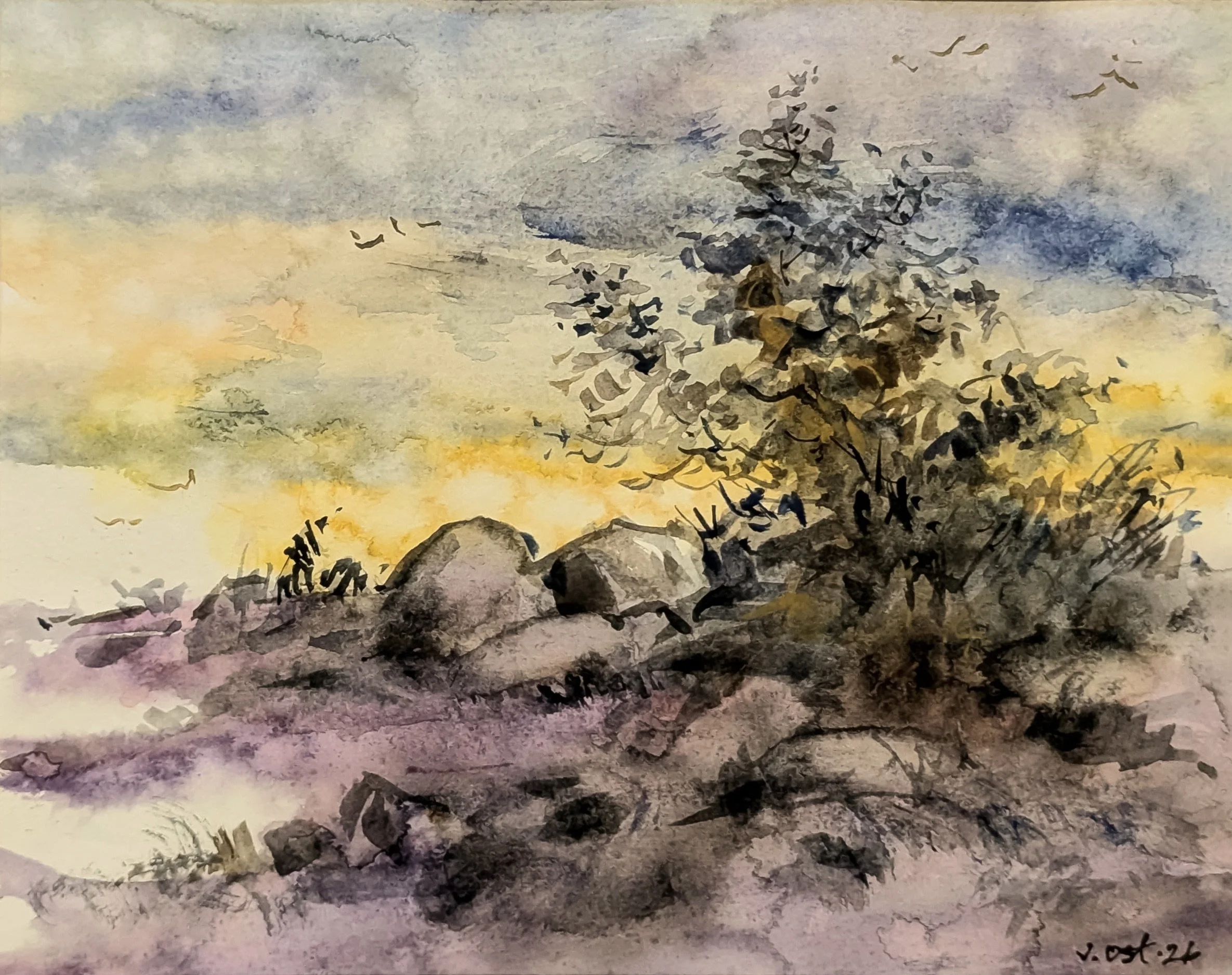
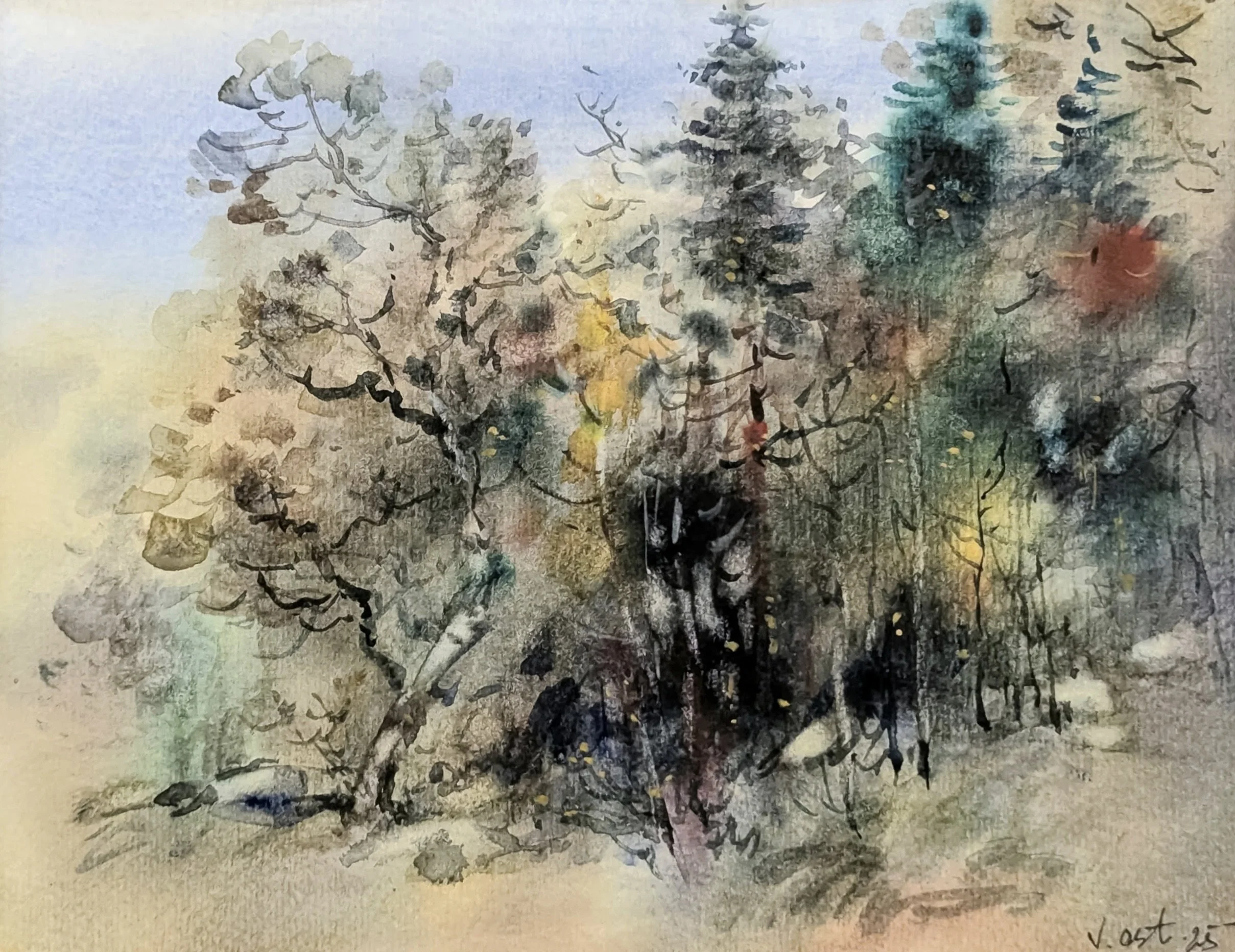
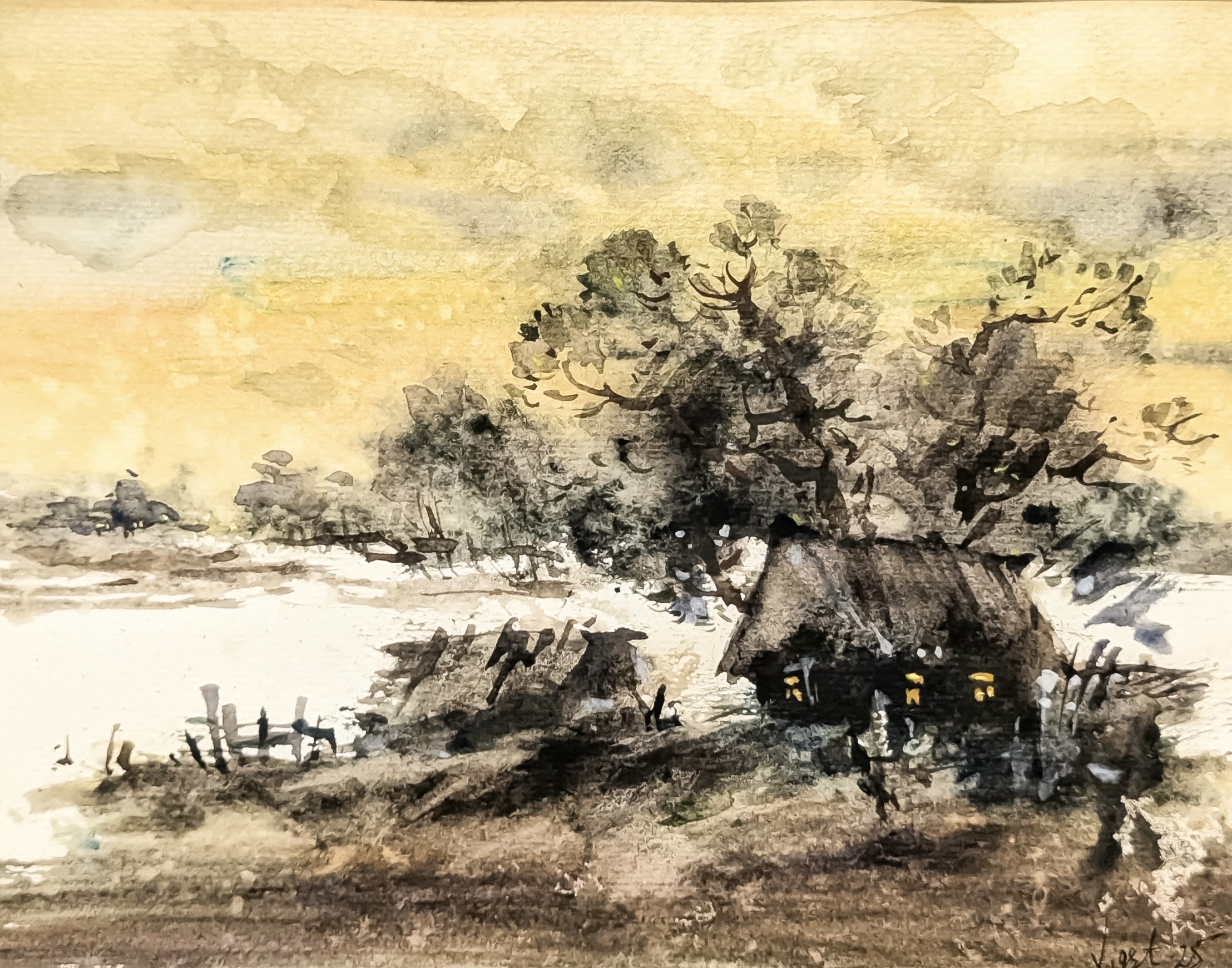
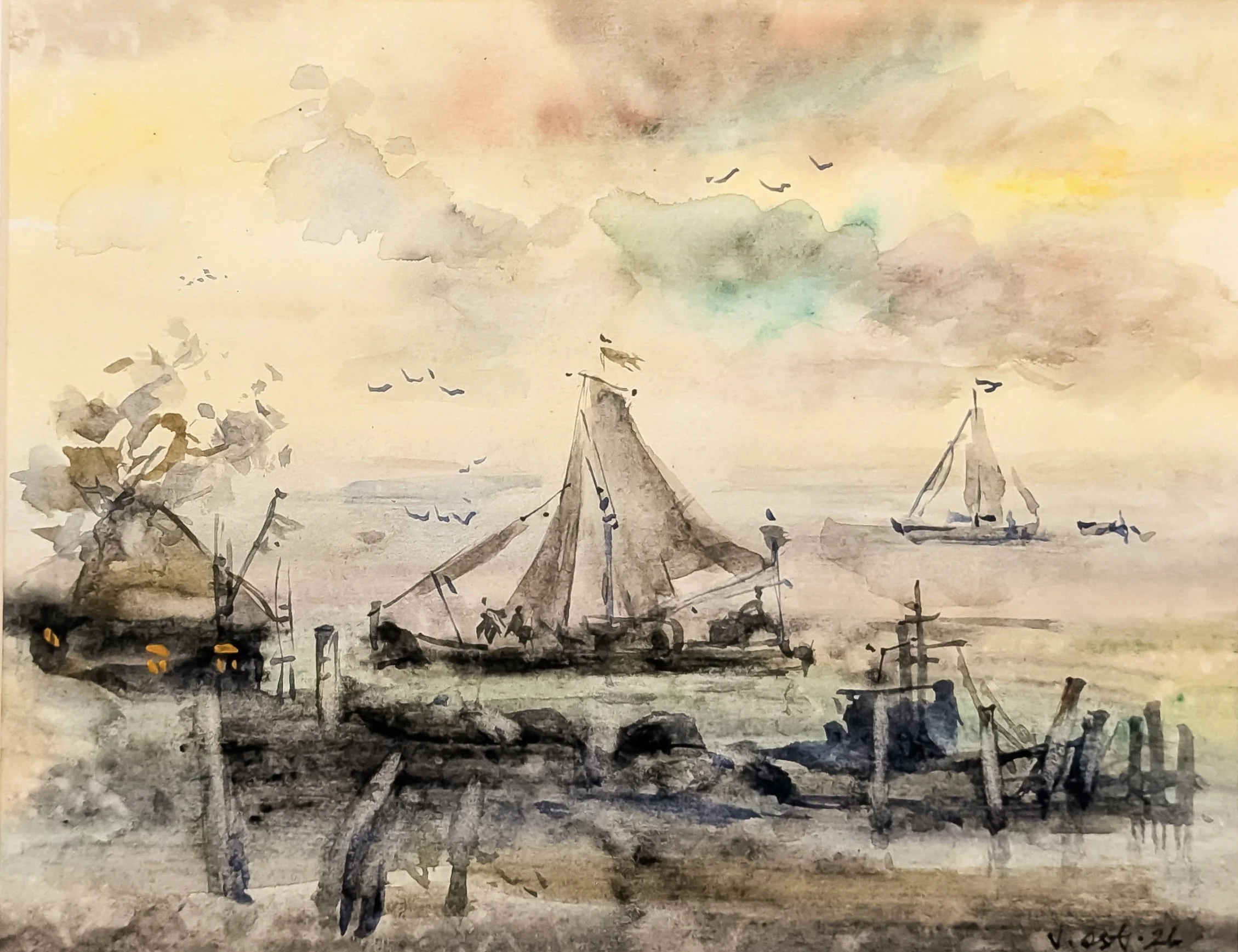
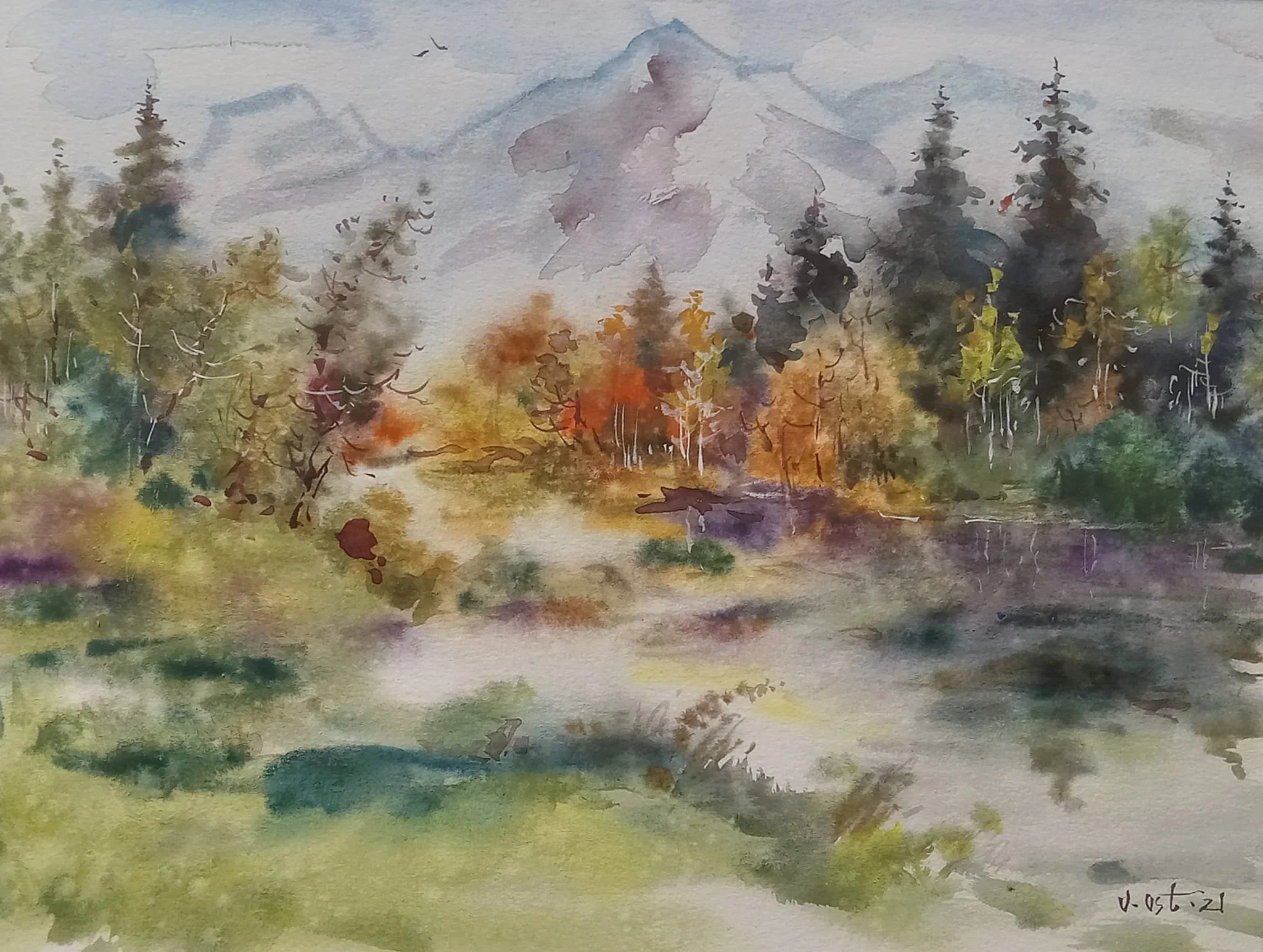
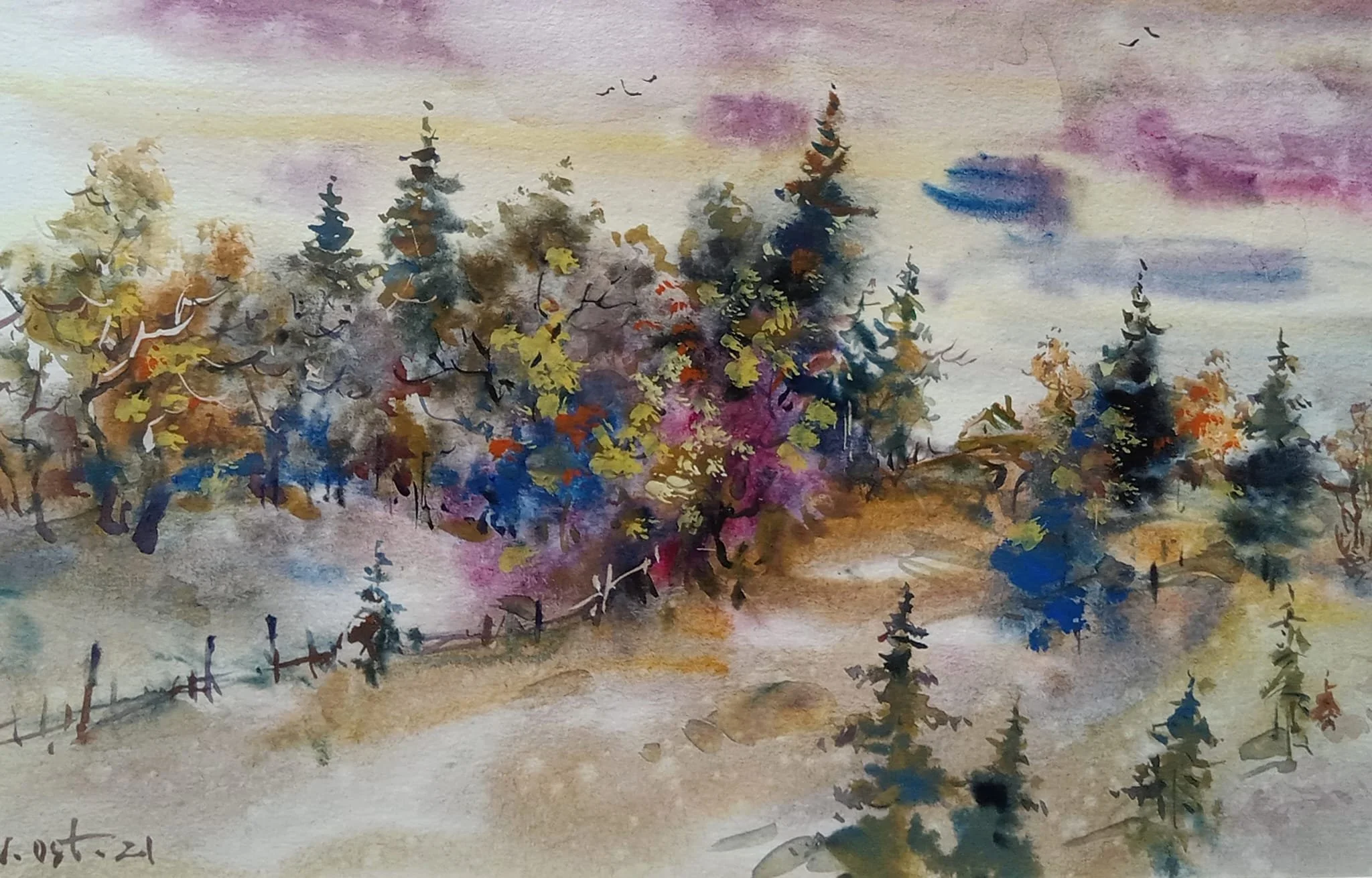
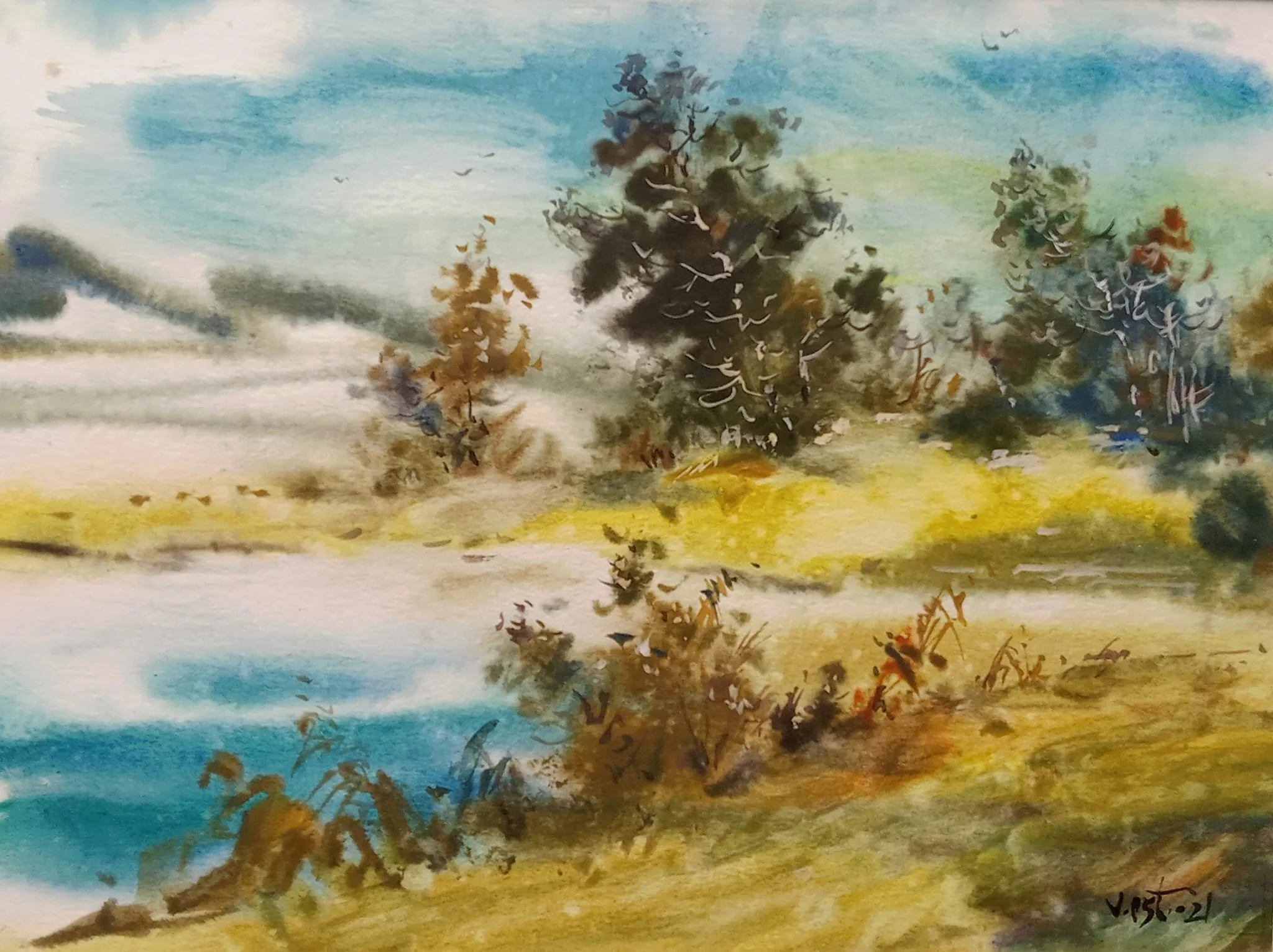
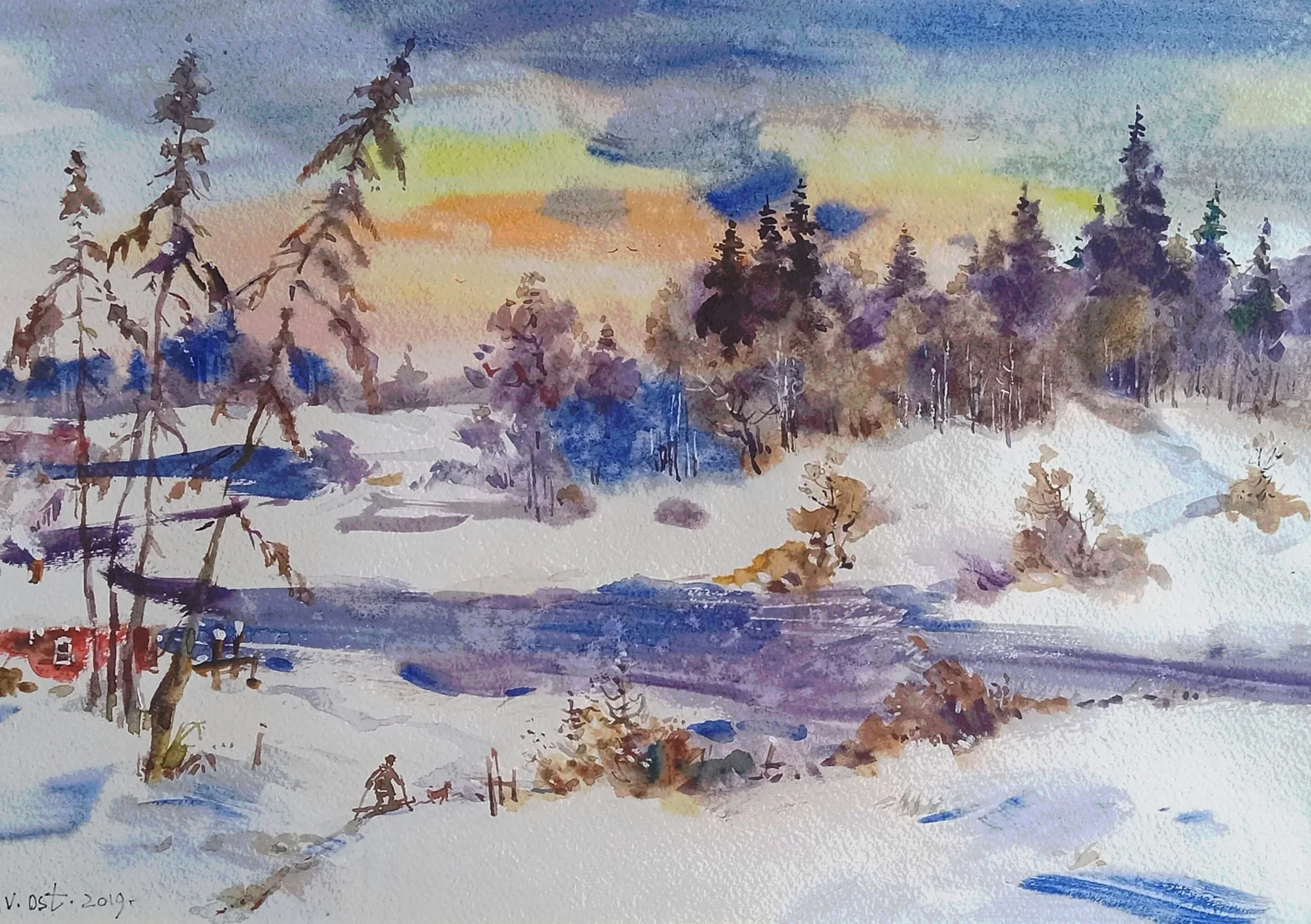
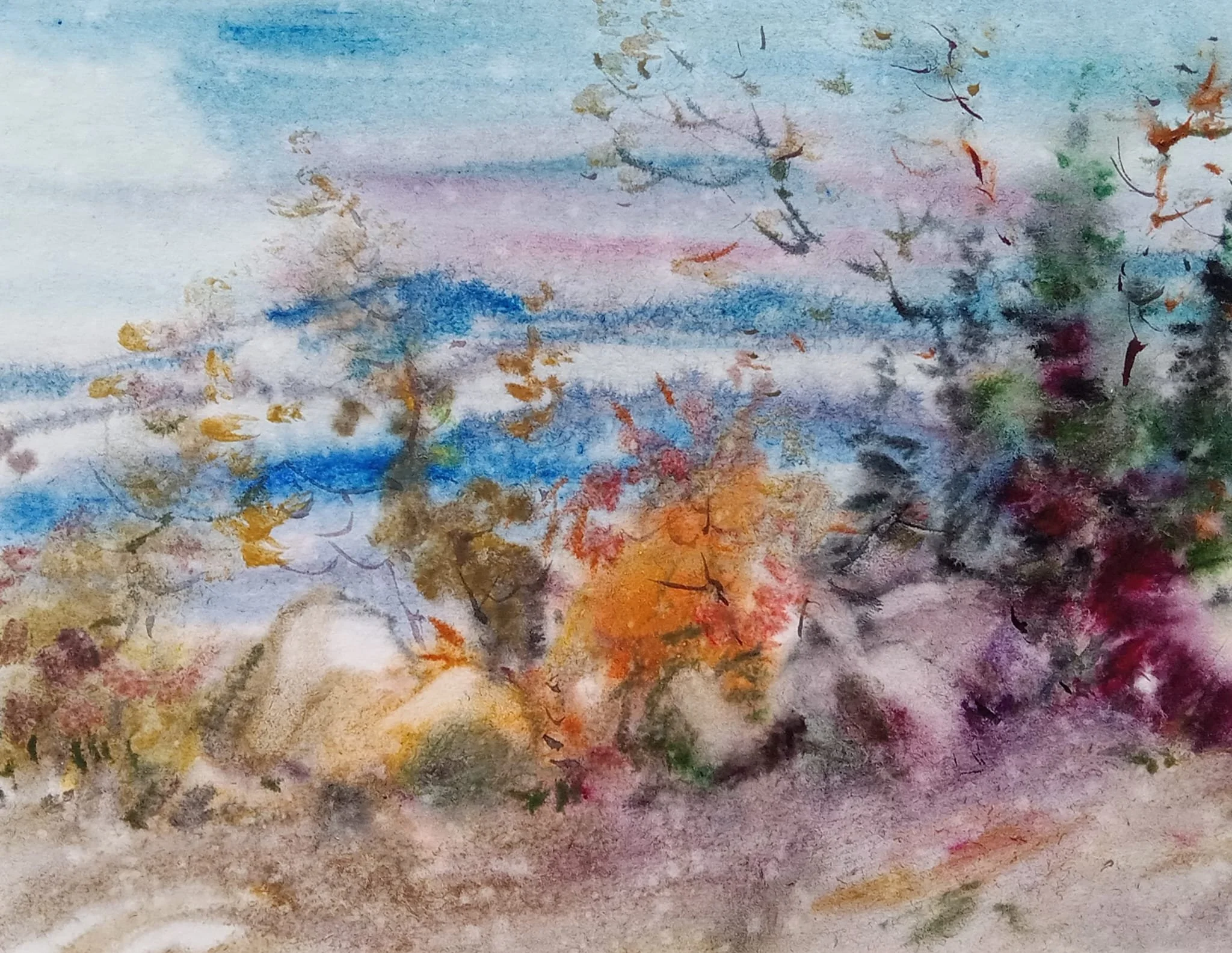
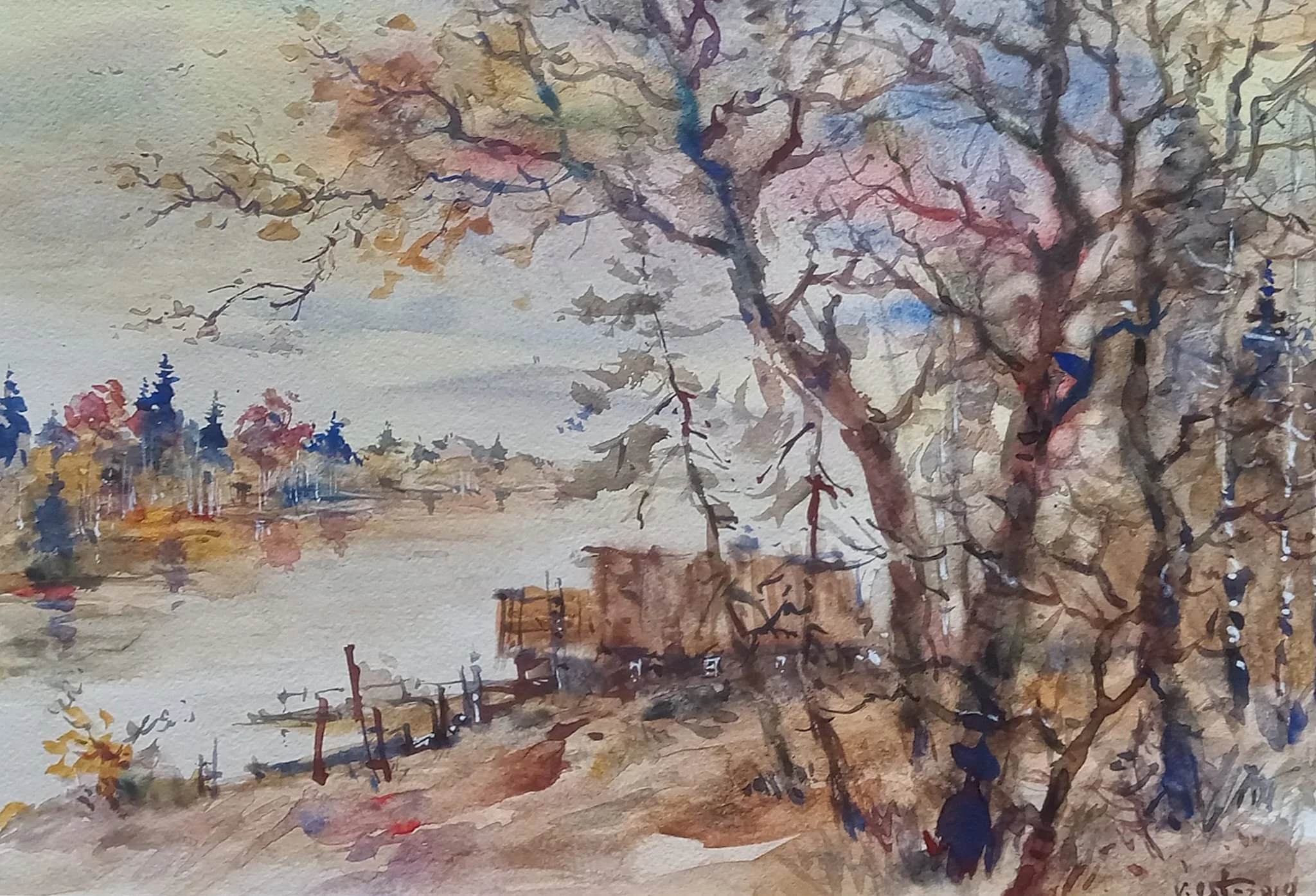
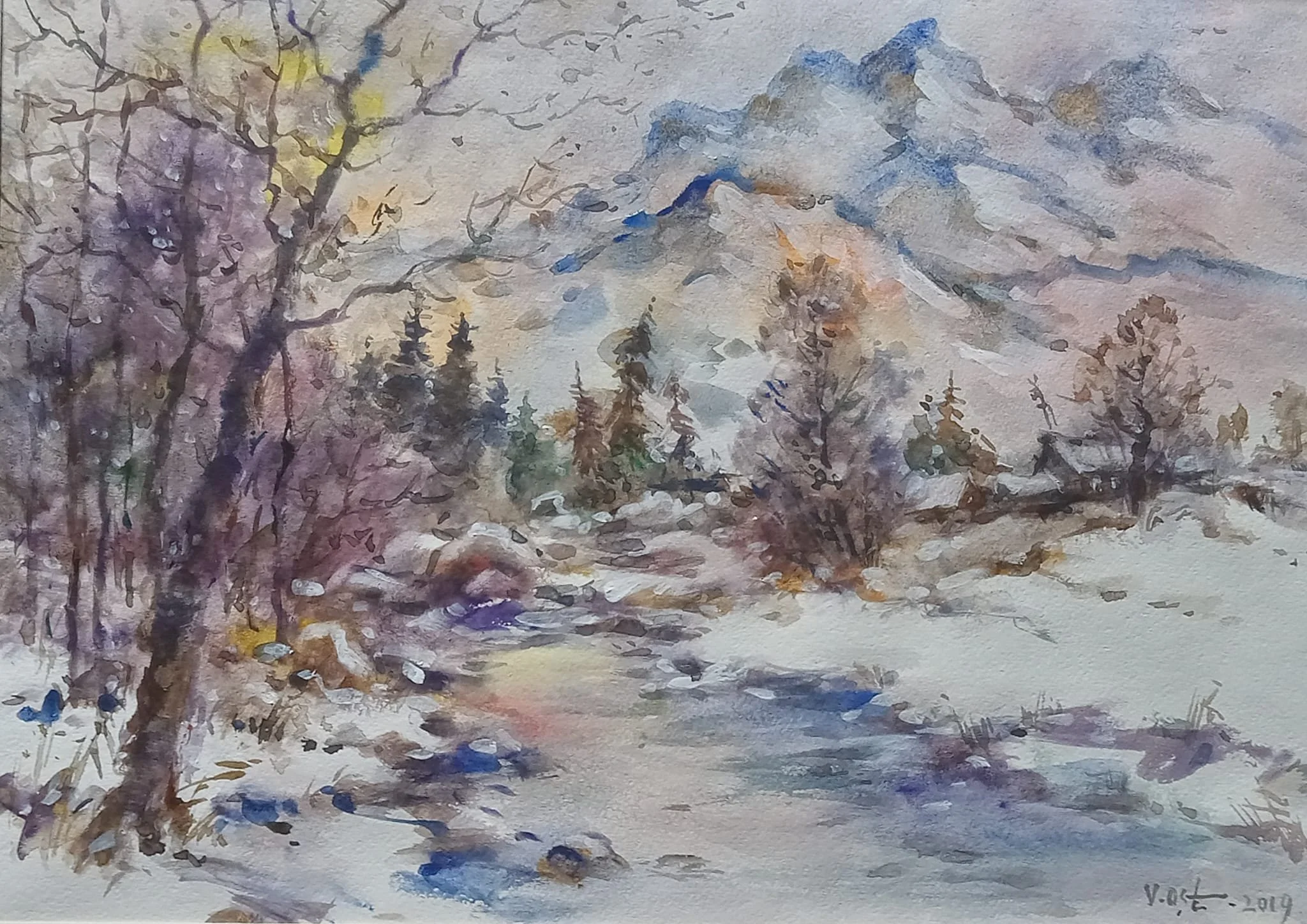
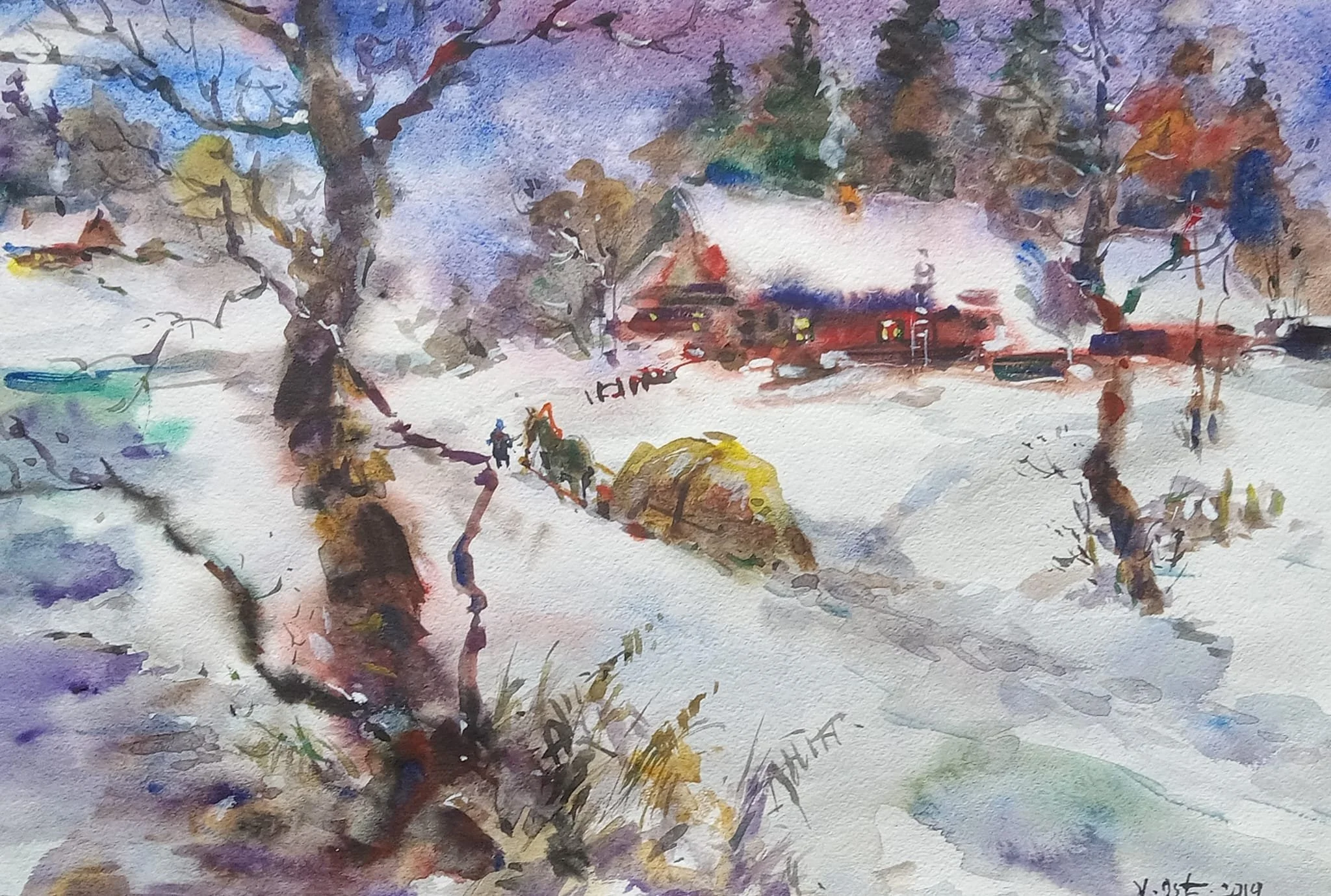
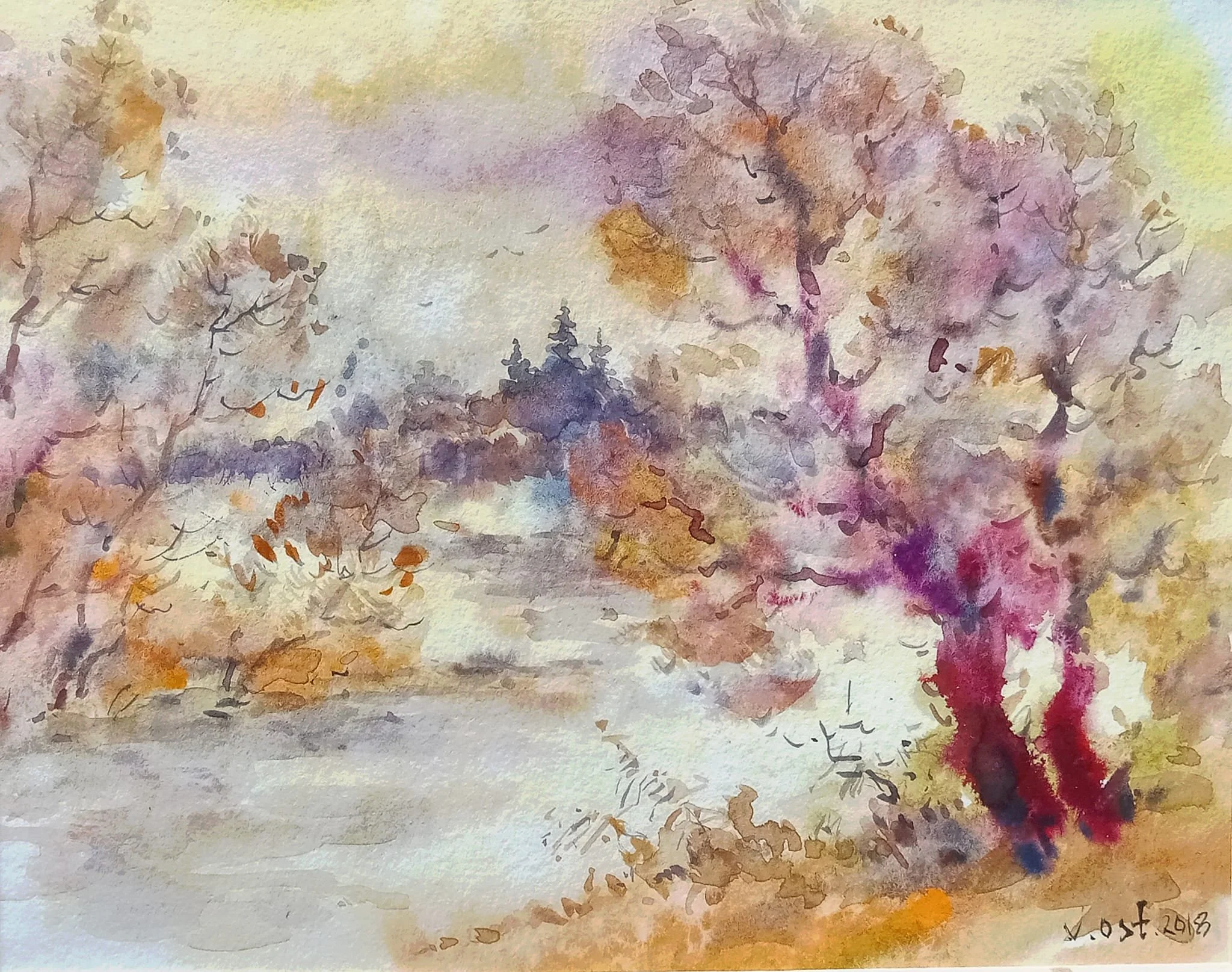
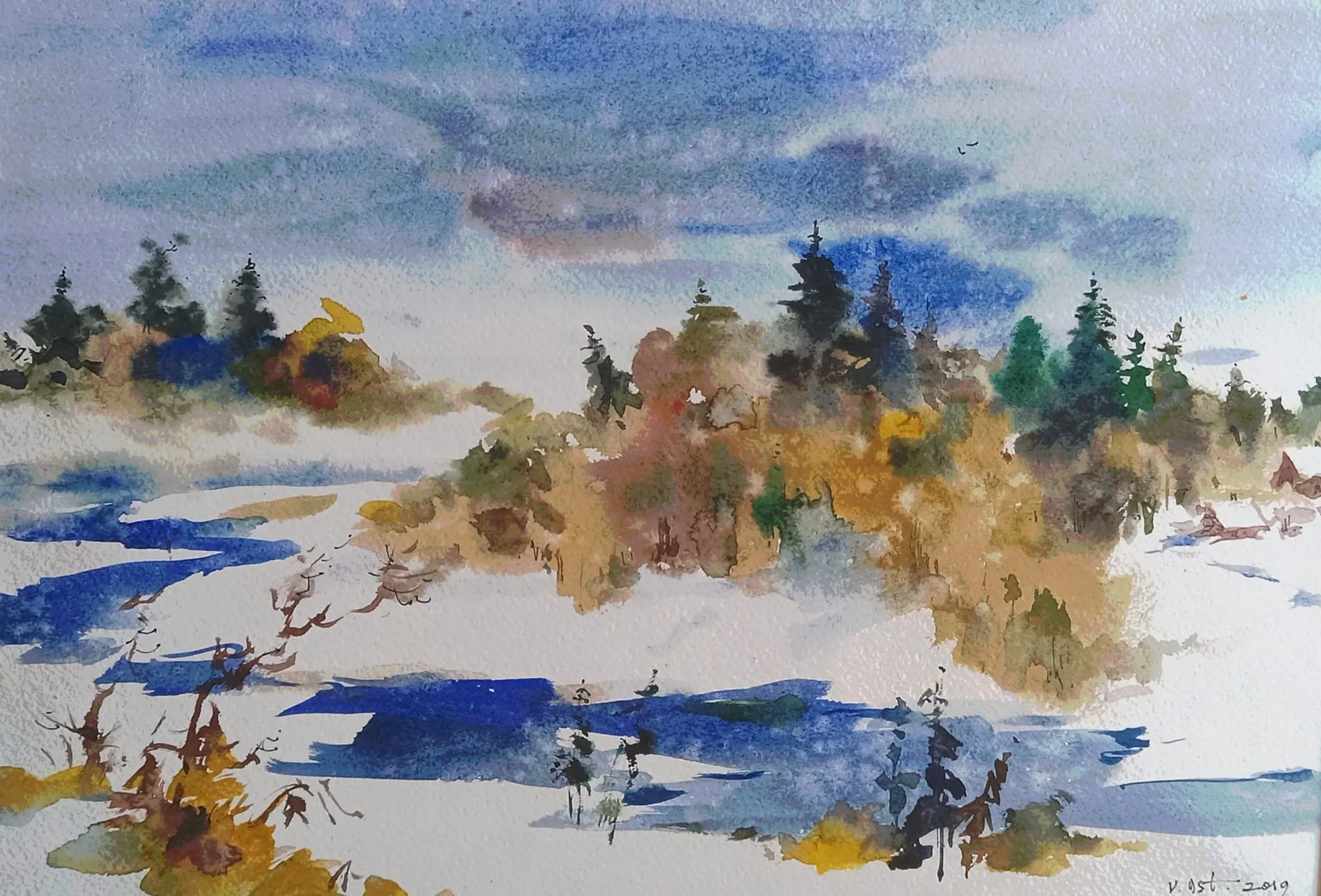
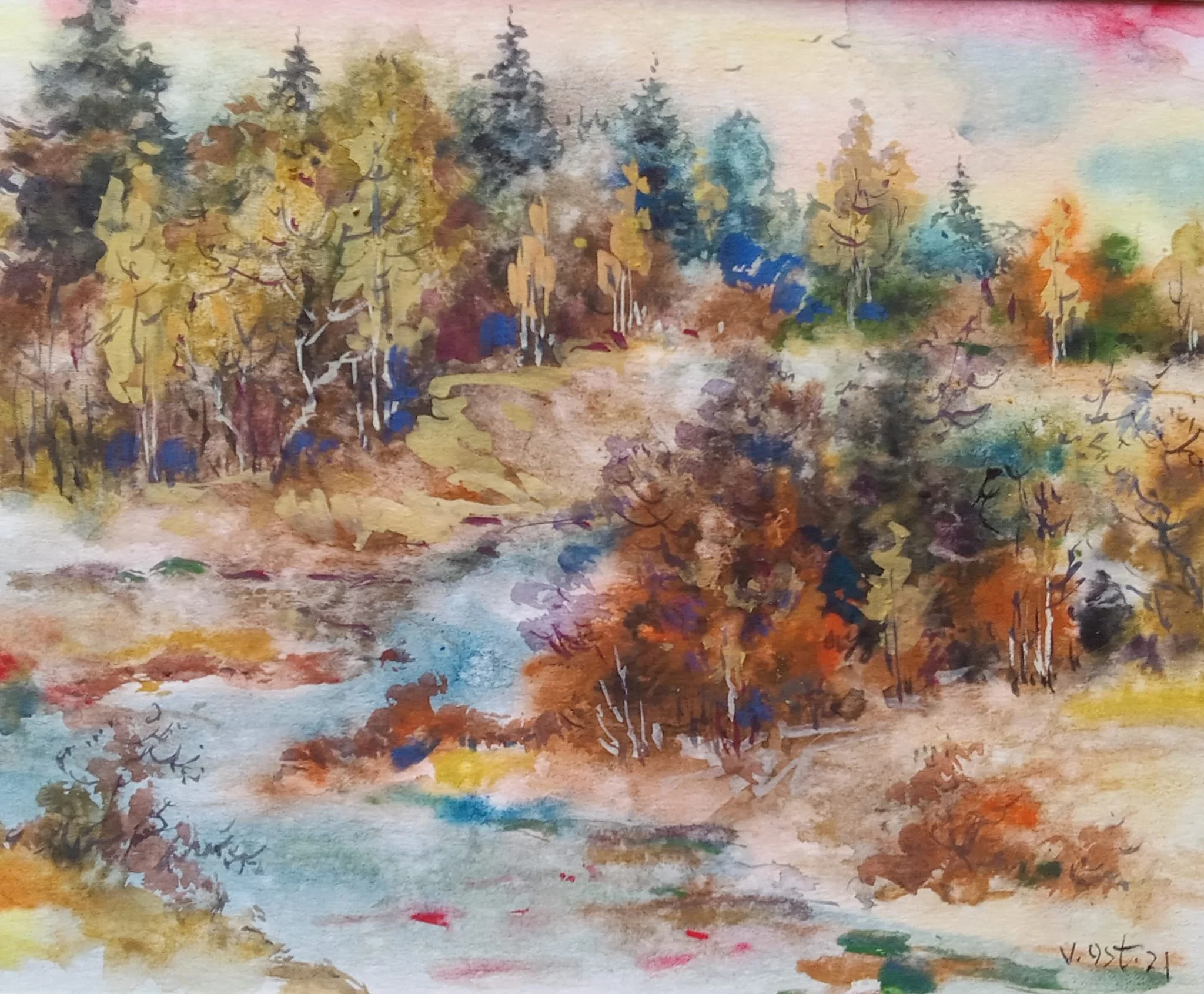
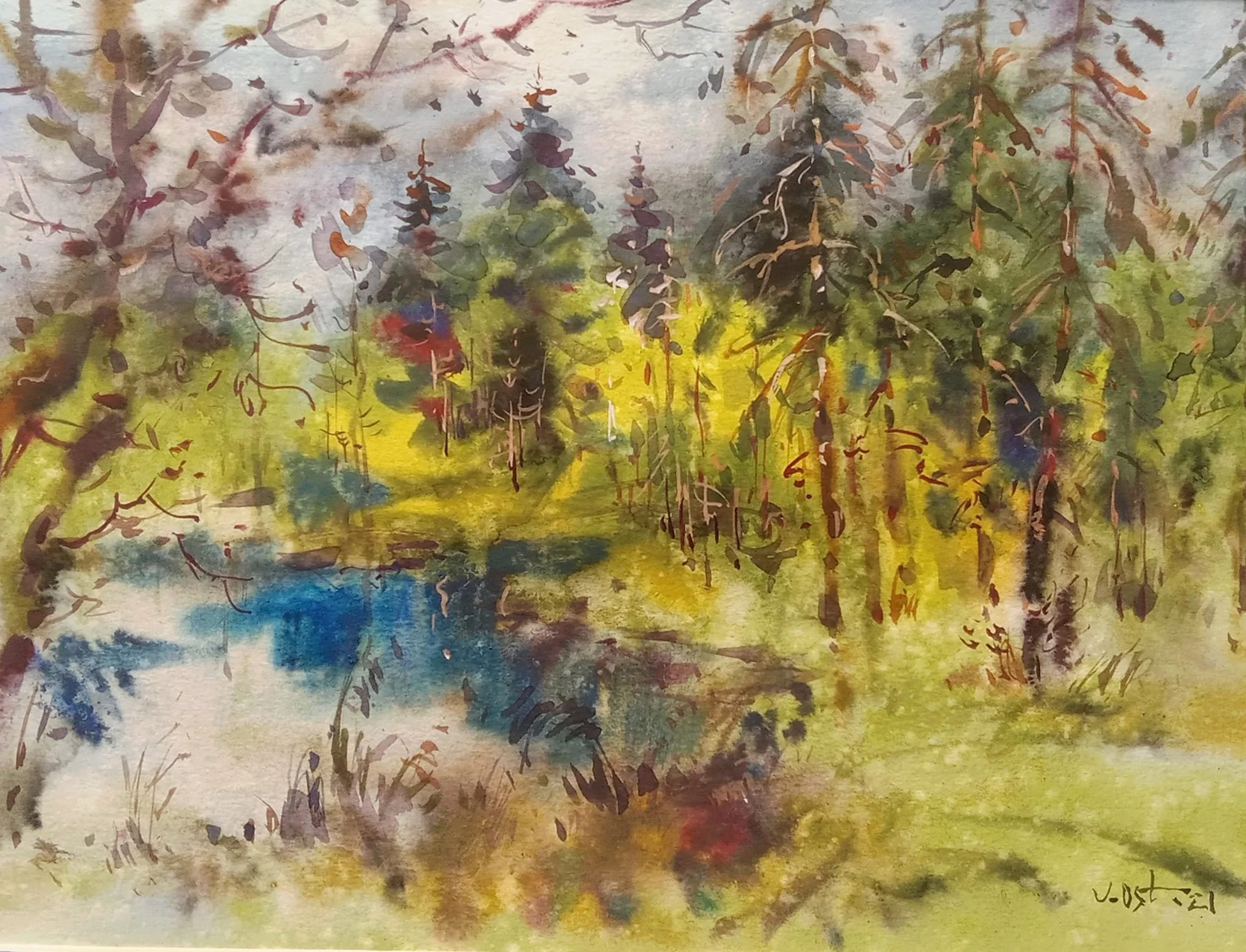
At the same time, the natural world has remained an endless source of inspiration. My landscapes are not documentary representations of places but emotional impressions shaped by changing light, atmosphere, and season. Nature possesses its own quiet wisdom, and I strive to capture its poetry rather than merely its appearance. Every tree, river, cloud, and horizon becomes part of a larger meditation on time, memory, and the continuity of life.
Still life occupies a special place in my work. Ordinary objects become symbols of beauty, permanence, and human presence. Flowers, fruit, vessels, and everyday forms invite contemplation, reminding us that profound meaning often resides within simple things. Through color relationships, texture, and composition, I seek to transform familiar subjects into timeless visual experiences.
Portraiture allows me to explore another dimension of artistic expression—the individuality and inner character of each person. Beyond physical likeness, I am interested in revealing dignity, vulnerability, strength, and humanity. Every face carries its own history, and every portrait becomes a conversation between artist and subject.
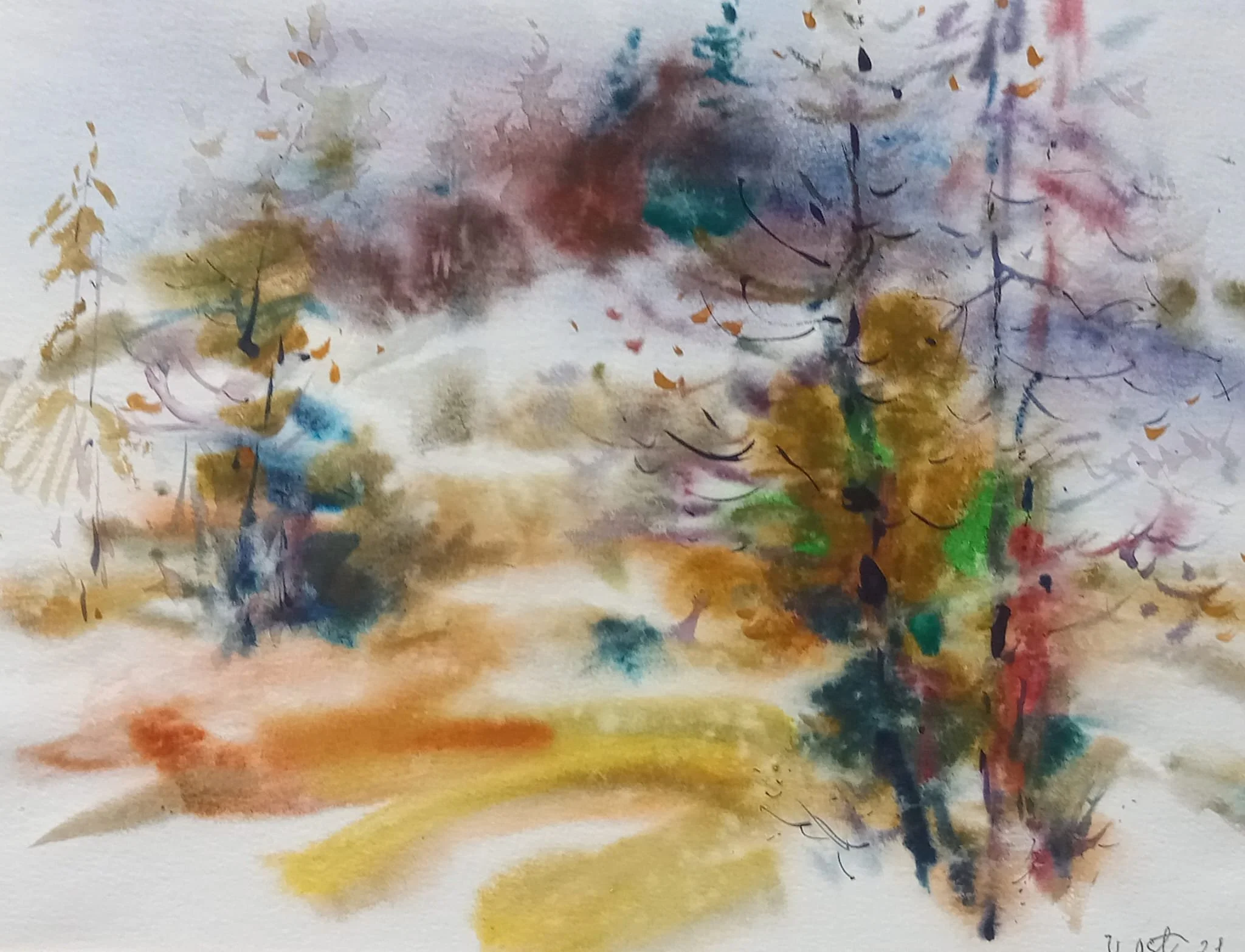
Watercolor offers a unique freedom that continually challenges and inspires me. Its transparency, spontaneity, and luminous quality require complete trust in the creative process. Working with watercolor teaches humility, precision, and acceptance of the unexpected. The medium captures fleeting moments with remarkable immediacy while preserving their emotional resonance.
My sculpture extends these same artistic concerns into three-dimensional space. Form, balance, movement, and volume become another language through which I investigate human perception and the relationship between material and spirit.
Throughout my career, I have been influenced by both the great traditions of classical European painting and the innovations of modern and contemporary art. Rather than following a single style, I have sought to develop a visual language that remains open, evolving, and deeply personal. Each series reflects a different chapter of the same lifelong search for beauty, truth, and emotional authenticity.
I believe that art possesses the power to unite cultures and generations because genuine emotion requires no translation. My paintings are invitations to slow down, to observe more carefully, and to reconnect with the quiet depth of human experience. If a viewer discovers within my work a memory, a feeling, or a moment of reflection that becomes personally meaningful, then the painting has fulfilled its purpose.
Artist Biography
Viktor Nikolaevich Ostapenko (born July 29, 1948, in Dushanbe, Tajikistan) is a professional painter, watercolorist, sculptor, and master of abstract art whose work bridges the traditions of Eastern European academic painting with a deeply personal contemporary vision.
His childhood was spent in Kislovodsk, where an early fascination with nature, color, and drawing shaped his artistic sensibility. Determined to pursue art professionally, he received formal academic training, first at the Art College in Makhachkala and later at the Kharkov Academy of Design in Ukraine. These years provided him with a rigorous classical foundation in drawing, painting, composition, and artistic design.
Throughout his career, Ostapenko lived and worked in both Ukraine and Russia, developing an artistic language that combines technical mastery with philosophical depth. His oeuvre demonstrates remarkable versatility, encompassing expressive abstraction, lyrical landscapes, refined still lifes, sensitive portraiture, luminous watercolors, and sculpture.
Although widely recognized for his abstract paintings, abstraction represents only one dimension of his creative practice. His early abstract works explore memory, spirituality, human emotion, inner conflict, and the psychological experience of modern life. Rather than illustrating ideas, they invite viewers into spaces of contemplation where color, texture, and rhythm become a universal visual language.
Equally significant are his landscapes and still lifes, which reveal another aspect of his artistic personality. These works celebrate the quiet beauty of the natural world through subtle color harmonies, sophisticated composition, and an exceptional sensitivity to light. His watercolors, noted for their transparency and spontaneity, capture fleeting atmospheric moments while demonstrating extraordinary technical control.
Portraiture and sculpture further illustrate the breadth of Ostapenko's artistic vision. Across every medium, his work reflects a profound understanding of form, structure, and human character.
Now living and working in New York, Viktor Ostapenko continues to expand his artistic legacy. His paintings unite European academic traditions with contemporary artistic expression, creating works that resonate across cultures and generations. Whether working in oil, watercolor, or sculpture, he seeks to reveal the emotional and spiritual dimensions of everyday experience.
Today, Ostapenko's work represents decades of artistic exploration dedicated to beauty, memory, and the enduring dialogue between humanity and nature. His paintings invite viewers not merely to observe but to reflect, discover, and experience the timeless language of art.